Get in touch
Please fill the details to request an appointment.
Error: Contact form not found.
Most moles are a completely normal part of skin and never need treatment. When one does, the decision comes down to careful, individual assessment.
Dr. Jonathan Dunne draws on years of close clinical attention to skin lesions to judge what that mole needs, and to recommend the right technique for removing it. If you’re uncertain whether yours needs attention, a consultation is the simplest way to find out.
Understanding Your Mole
Not every mole warrants a second thought, since most are simply a normal part of skin. The ones that do call for attention tend to have a specific, identifiable reason behind them, not a vague sense that something should be done.
Here’s what those reasons actually look like.
Bleeding, recent growth, or atypical features that need to be checked by a specialist.
Clinical Assessment
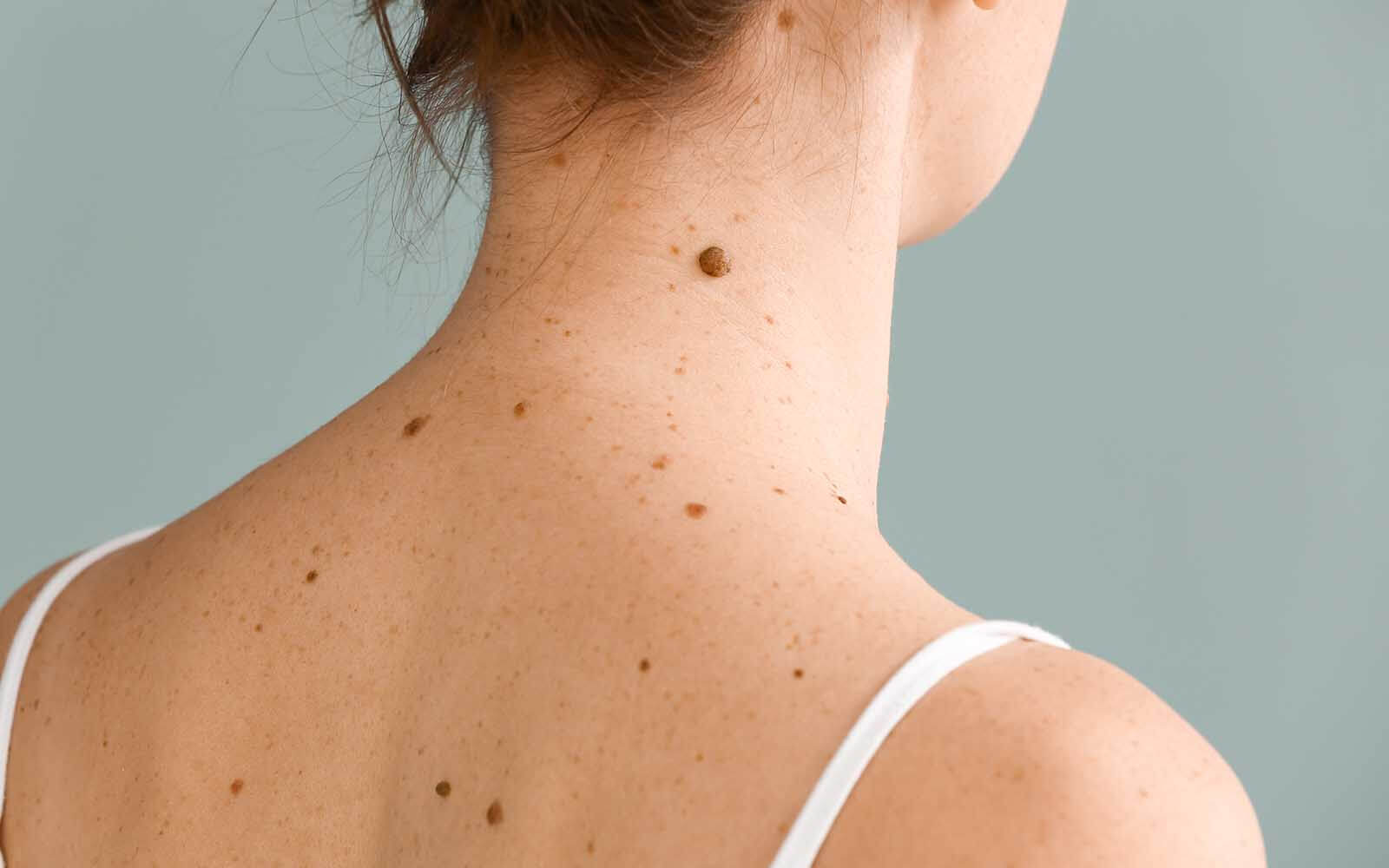
Not every unusual-looking mole is dangerous, but certain features are worth a professional opinion. Having atypical moles increases melanoma risk, and that risk rises with how many you have.
Despite this, routine removal of every atypical mole is not recommended. Dermatologists instead look for the “ugly duckling” sign, a mole that doesn’t match the pattern of a patient’s other moles, as the strongest signal that something specific needs a closer look.
A mole that looks different from your other moles is more informative than a mole that simply looks unusual on its own.
Warning Signs to Watch For:
The Procedure
This technique removes the full mole and a small amount of nearby healthy skin. It is most appropriate when a mole is flat or needs closer examination, because a partial sample may not give the full picture.
Where melanoma is a concern, the mole will be excised with 2mm margin, which can be widened later if pathology confirms this is needed.
Shave removal is used for raised moles that do not show concerning features. The raised part of the mole is carefully shaved level with the surrounding skin, usually without stitches.
It often heals quickly and can leave a flatter result, making it a good option for straightforward cosmetic mole removal.
Your Surgeon
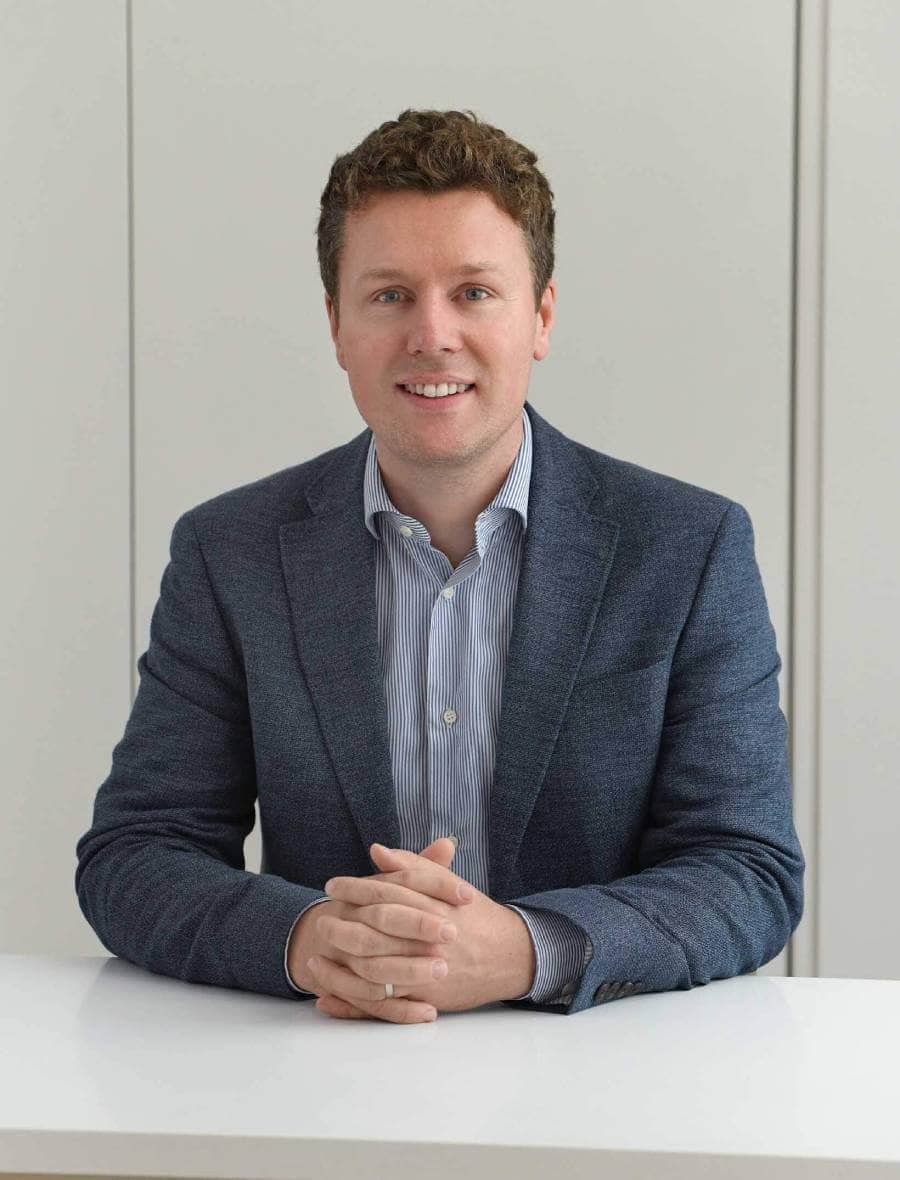
Dr. Jonathan Dunne is well known for precise mole removal procedures, with specialist expertise in skin cancer management and facial plastic surgery. His approach combines careful assessment, appropriate surgical technique, and an understanding of how the skin is likely to heal, so each mole is treated according to its position, appearance, and clinical features.
Whether a mole is being removed for medical, practical, or cosmetic reasons, Jonathan aims to achieve the best possible result with minimal scarring. He will explain the most suitable method for removal, what the resulting scar is likely to look like, and whether the mole should be sent for further analysis after treatment.

Jonathan has been included in:


The Mole Removal Process
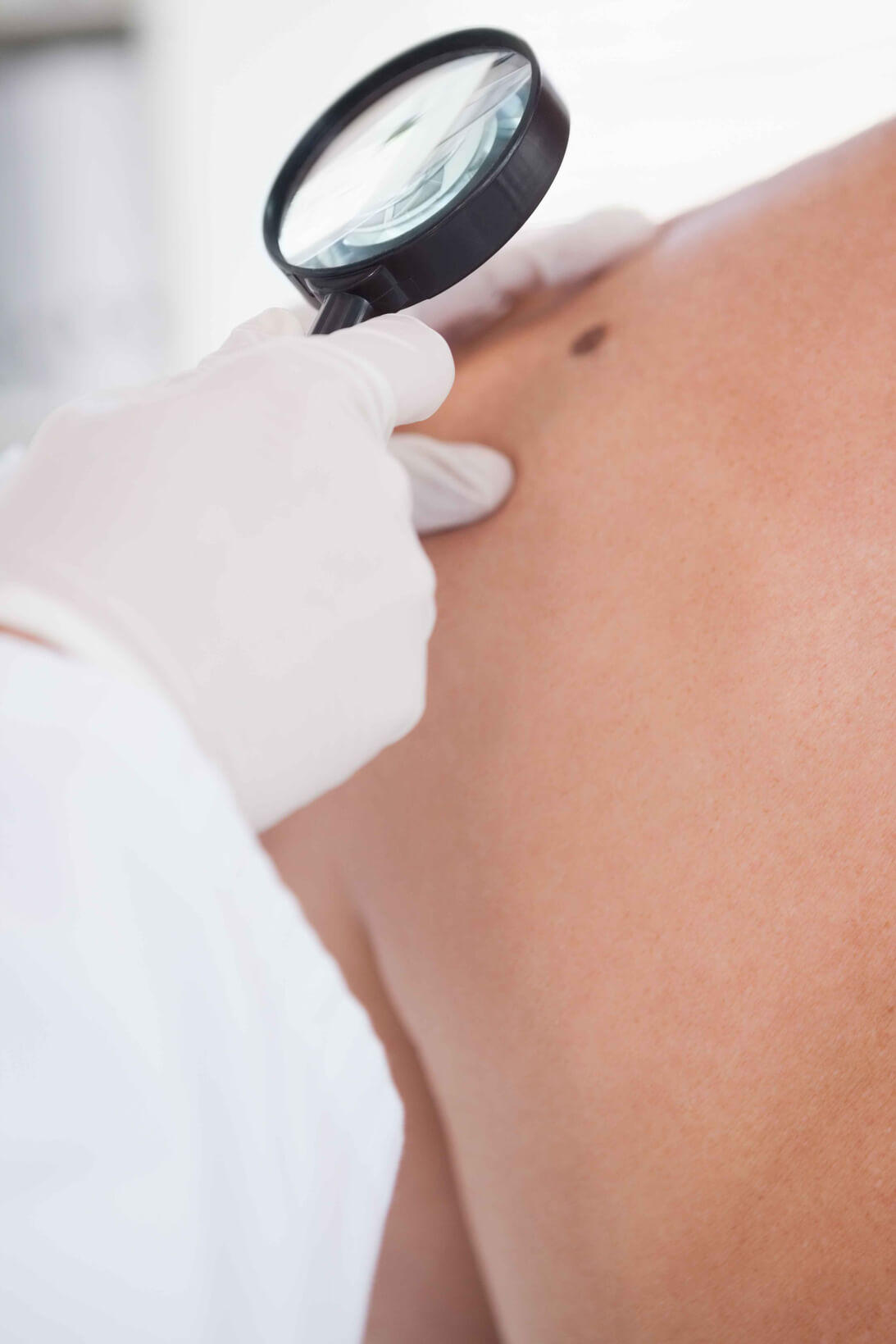
Jonathan will examine the mole’s size, shape, colour, position, and any relevant features, alongside your medical history and concerns.
He will then advise whether removal is appropriate, which technique is most suitable, and what scar outcome you can realistically expect.
The area is cleaned and numbed with local anaesthetic before the mole is removed using the technique best suited to its appearance and depth.
The wound may be closed with stitches or left to heal naturally, depending on the method used.
You will be given clear aftercare instructions, including when to keep the area dry, how to care for the dressing, and when to return to normal activity.
If you notice increasing redness, swelling, pain or discharge, you should contact the clinic for advice.
If you are concerned about a mole, or would simply like to discuss safe removal, the first step is a consultation with Jonathan Dunne in London. He will assess the mole carefully, explain whether removal is appropriate, and advise which technique is most suitable for your skin, the mole’s features, and the likely scar outcome.
To arrange an appointment, book online or contact the clinic directly.